Why 2026 Is the Tipping Point for Creator Led Advertising
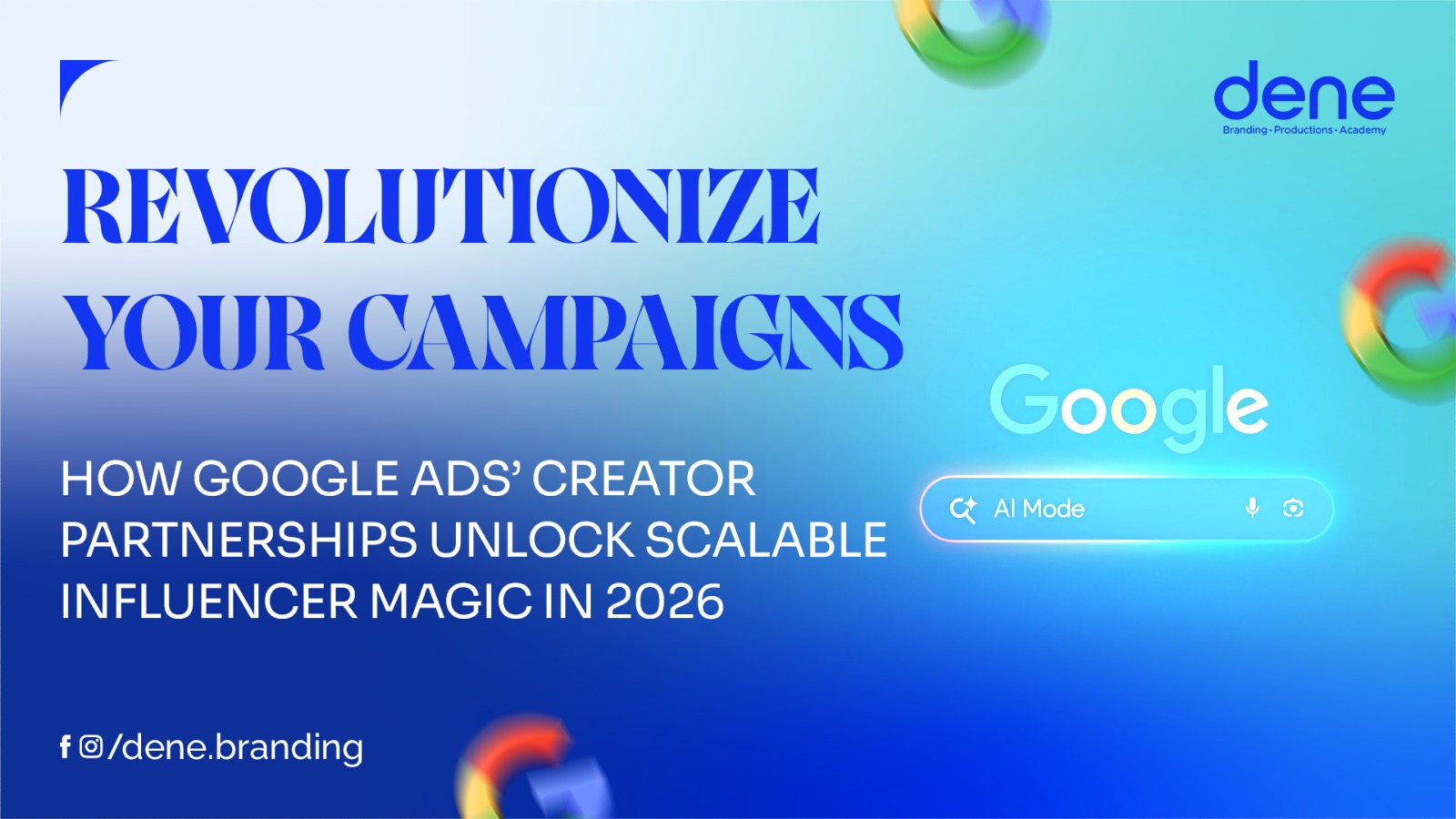
Influencer marketing has officially evolved from a branding experiment into a full fledged performance engine. In 2026, creator driven campaigns are delivering up to 11× return on investment and nearly double the engagement rates of traditional digital ads. Platforms like YouTube have become especially powerful among Gen Z and millennial audiences, where trust and authenticity matter more than polished brand commercials. In industries such as home improvement, real estate, education, and cross-border services, relatable creator storytelling consistently drives stronger purchase intent than studio-produced creatives. At the same time, the advertising ecosystem is shifting toward an AI-first model. Automation, predictive targeting, and intelligent creative optimization are redefining how campaigns are built and scaled. Within this transformation, Google Ads has introduced a major innovation: the Creator Partnerships upgrades, currently in beta. These updates remove long standing friction points in influencer marketing and give forward thinking brands especially those operating in competitive markets like South India and the UAE a significant first-mover advantage.
The Core Problem This Update Solves
For years, influencer marketing faced three persistent challenges. First was discovery friction finding relevant creators required endless manual searches, scattered spreadsheets, and heavy agency reliance. Second was fragmented management outreach, negotiations, contracts, content previews, and reporting were spread across disconnected tools. Third was measurement ambiguity brands struggled to connect influencer content directly to paid media ROI. The Creator Partnerships upgrades are designed to eliminate these inefficiencies, transforming influencer collaborations into measurable, scalable growth systems.
Feature Deep Dive: What’s New and Why It Matters
1. Creator Search Tool: Precision Discovery at Scale
At the center of the update is a powerful keyword-based Creator Search engine built directly into Google Ads. Marketers can now search creators by niche, keywords, audience demographics, engagement rate, and geographic location. Language filters make it easy to identify Malayalam, Tamil, Kannada, Arabic, or bilingual creators, while built-in previews allow instant viewing of Shorts and long-form content without leaving the dashboard. This dramatically reduces manual scouting time by as much as 70% and replaces guesswork with data-driven matching. A steel door brand in Kerala can identify trusted Malayalam home demo creators in minutes. An ed-tech company in Bangalore can collaborate with Kannada YouTubers for skill-based Shorts. A UAE visa consultancy can pinpoint Arabic speaking influencers trusted by expat communities. The process becomes faster, smarter, and performance aligned.
2. Creator Management Hub: One Dashboard, Total Control
After shortlisting creators, campaigns move into a centralized Management Hub. This feature consolidates outreach templates, contract tracking, approval workflows, collaboration timelines, and performance reporting into one streamlined system. Metrics such as clicks, conversions, cost per acquisition, and engagement are accessible in unified analytics views. What once felt chaotic now becomes structured and repeatable. Agencies and in-house marketing teams managing dozens or even hundreds of creators can operate with clarity and control, turning influencer partnerships into an organized, scalable channel rather than a one off initiative.
3. Native YouTube Integration: Where Authenticity Converts
Because the system is deeply integrated with YouTube, brands gain a unique advantage. They can preview creator collaborations before publishing, analyze audience overlap using AI, and seamlessly convert organic creator content into paid ad units without stripping away authenticity. This bridges a long-standing gap between organic influence and paid amplification. Instead of recreating content for ads, brands can promote the exact videos audiences already trust, maintaining credibility while scaling reach.
Strategic Implementation: A Step by Step Framework for 2026
Success begins with clarity. Define real business outcomes, qualified site visits for UAE real estate firms, builder inquiries for steel door brands, or verified WhatsApp leads for visa consultancies. Next, filter creators strategically, thinking like a media buyer rather than chasing follower counts. Evaluate engagement quality, regional relevance, and content style. Then automate outreach through standardized templates, clearly outlining deliverables, timelines, and calls to action. After collaboration, run A/B tests comparing brand only ads with creator co made content. Early adopters report 30 – 50% higher conversion rates when creator videos are used as paid creatives. Finally, unify performance tracking. Measure cost per lead, conversion value, and assisted conversions through retargeting to determine which creators genuinely drive revenue.
Real World Angles: What Success Looks Like
Imagine a UAE real estate company onboarding ten hyper local creators within two weeks, scaling to one hundred collaborations in a single quarter, reducing agency dependency, and launching faster than competitors. Or consider a South Indian steel door manufacturer dominating regional Shorts with installation demos that build trust more effectively than static banner ads. These aren’t distant possibilities; they represent the direction influencer marketing is taking in 2026.
The AI Future: What’s Coming Next
Google has hinted at further advancements, including predictive performance analytics, AI-recommended creator bundles aligned with campaign objectives, and deeper cross platform retargeting integrations. As AI continues reshaping digital advertising, Creator Partnerships align perfectly with this evolution, blending automation with human authenticity.
Optimization Tips for Maximum Impact
To maximize results, connect creator content directly to optimized lead funnels or e-commerce pages. Build remarketing audiences from creator video viewers and retarget them across Search, Display, and Shorts placements. Repurpose top performing creator ads into multi channel campaigns to extend lifecycle value.
Your First Mover Challenge
Creator Partnerships is not just another feature within Google Ads it represents a structural shift in how influence, paid media, and AI converge. The challenge for 2026 is simple: test the beta on one campaign, compare creator led ads with traditional creatives, analyze the data, and refine rapidly. The brands that experiment fastest will scale the strongest.
The influencer era has matured into a measurable, scalable, performance driven discipline. The real question for your business is no longer whether creator marketing works, it’s whether you’re ready to lead the transformation or watch competitors move ahead.